Featured
All About Regulatory Considerations in Debt Forgiveness
The smart Trick of What to Watch For While Evaluating a B...

How What's Next for Debt Forgiveness and Consumer Protections can Save You Time, Stress, and Money.
Table of Contents
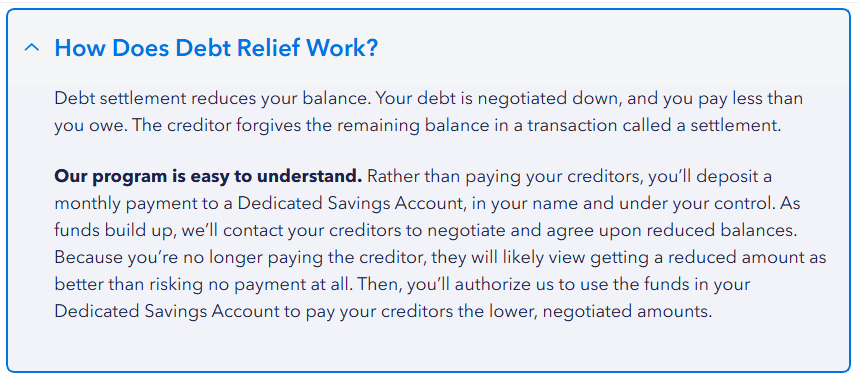
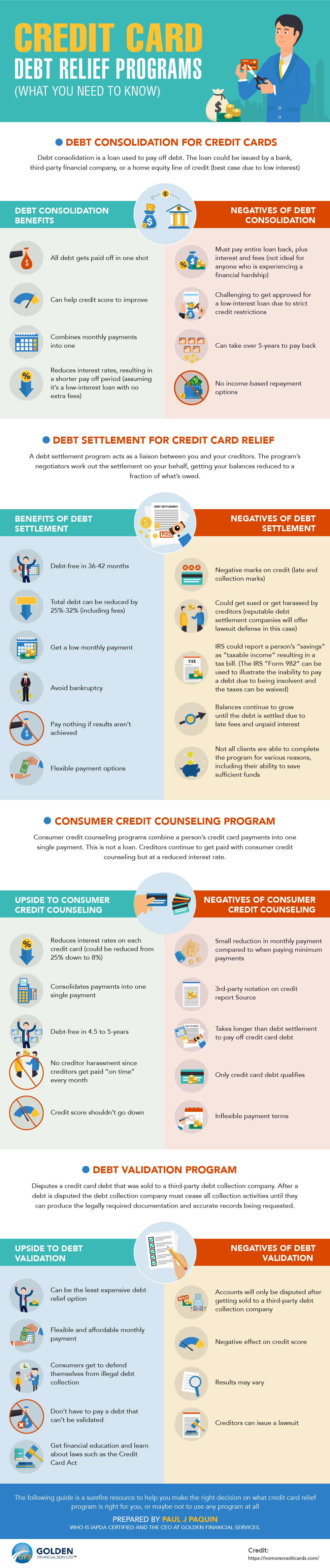
That liberates cash in the brief term, and you might have three to four years to save towards the settlement amount. Very damaging to credit rating, mostly due to missed repayments and an unfavorable "cleared up" mark that could remain on your credit history report for as much as seven yearsMay be only alternative if various other choices (financial debt consolidation, equilibrium transfer credit cards, financial debt mercy) aren't possibleTypically requires a cost to the 3rd party, which can counter some or every one of the savings from debt settlementMay help you prevent bankruptcy if you've missed several paymentsNot all creditors collaborate with debt negotiation business Debt mercy might be right for you if you are experiencing a monetary challenge that makes it almost difficult to pay down your financial debt equilibriums.
With a DMP, you make one month-to-month settlement to the credit report counseling company. Those funds are after that dispersed to financial institutions of your unsecured debts, such as credit report cards and installment fundings. The agency deals with your financial institutions to lower passion rates or forgo charges, however some financial institutions may decline such giving ins.
It can aid you pay down financial debt if you're able to safeguard a car loan price that's lower than the average rate of the accounts you're settling. You should abstain from racking up debt on those recently cleared accounts or your financial debt can grow even greater.
That offers you plenty of time to eliminate or considerably lower your balance while making interest-free repayments.
6 Easy Facts About Legal Changes That Will Transform Debt Relief Availability Described
You may need it if your creditor or a debt collection agency ever before tries to gather on the debt in the future. The letter could verify you don't owe what the debt collection agency's records show. Yes, in many cases, the IRS takes into consideration forgiven financial debt as taxed earnings. When a lending institution forgives $600 or even more, they are required to send you Form 1099-C.
Financial obligation mercy or settlement almost always harms your credit scores. Anytime you clear up a debt for much less than you owe, it may look like "resolved" on your credit record and influence your credit rating for seven years from the date of negotiation. Your credit scores can likewise drop substantially in the months bring about the forgiveness if you fall back on payments.
How "Debt Forgiveness Destroys Your Future" and Other Lies can Save You Time, Stress, and Money.
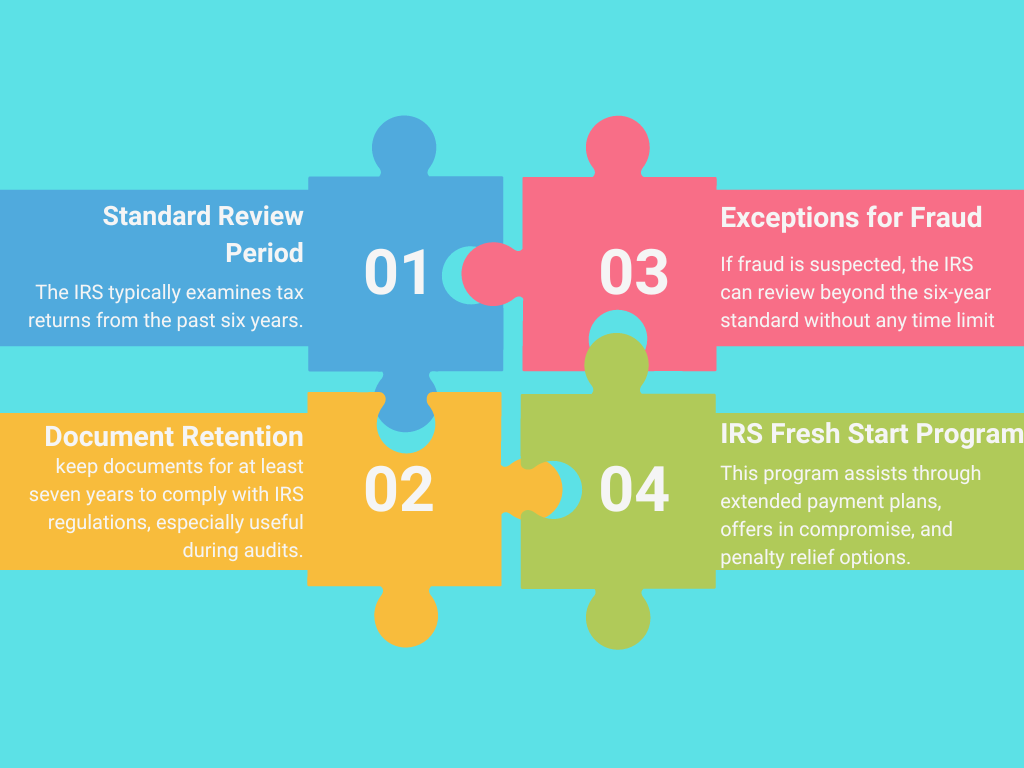
This circumstance typically results from underreporting earnings, not filing returns on time, or inconsistencies located during an Internal revenue service audit. The consequences of collecting tax financial obligation are serious and can include tax obligation liens, which offer the Internal revenue service a legal claim to your property as security for the debt.
Salaries and Financial institution Accounts Internal revenue service can levy (seize) wages and financial institution accounts to please the debt. Building Seizure In severe cases, the Internal revenue service can take and market residential property to cover the financial obligation.
Depression, stress and anxiety, and various other mental health issues. Social Stigma Encountering lawful action from the internal revenue service can lug social stigma. Damages to credibility and relationships. Employment Opportunities An inadequate credit rating as a result of exhaust debt can limit job opportunity. Difficulty searching for or keeping a work. Federal government Benefits Tax financial obligation may influence qualification for federal government benefits, such as Social Security and Medicaid.
The 4-Minute Rule for Does Debt Relief Options for Travel Nurses and Contract RNs Right for Your Family
The OIC considers several elements, including the taxpayer's income, expenses, possession equity, and ability to pay. Efficiently negotiating an OIC can be complex, requiring a comprehensive understanding of the IRS's guidelines and a strong argument for why your deal aligns with your capacity to pay. It is essential to keep in mind that not all applications are accepted, and the procedure needs detailed economic disclosure.
The internal revenue service examines your general monetary situation, including your revenue, expenditures, possession equity, and ability to pay. You have to additionally be current with all declaring and repayment requirements and not remain in an open personal bankruptcy case. The internal revenue service likewise considers your compliance background, assessing whether you have a record of prompt filing and paying tax obligations in previous years.
The Of Does Debt Relief Options for Travel Nurses and Contract RNs Make Sense for Most People
The application process for a Deal in Concession involves numerous in-depth steps. You must finish and send Internal revenue service Form 656, the Offer in Compromise application, and Form 433-A (OIC), a collection details declaration for people. These forms require detailed financial info, consisting of details concerning your income, debts, expenditures, and possessions.
Back tax obligations, which are overdue taxes from previous years, can substantially enhance your overall internal revenue service financial obligation otherwise resolved quickly. This debt can accumulate passion and late repayment fines, making the original quantity owed much bigger gradually. Failing to repay tax obligations can lead to the IRS taking enforcement activities, such as releasing a tax obligation lien or levy versus your residential or commercial property.
It is necessary to deal with back tax obligations immediately, either by paying the total owed or by setting up a layaway plan with the IRS. By taking positive steps, you can prevent the build-up of added interest and penalties, and stop much more aggressive collection activities by the internal revenue service.
One usual reason is the idea that the taxpayer can pay the sum total either as a swelling amount or through a settlement plan. The IRS additionally considers the taxpayer's income, costs, possession equity, and future earning capacity. If these elements indicate that the taxpayer can afford to pay even more than the provided quantity, the IRS is likely to decline the offer.
Little Known Facts About National Programs for Debt Relief Options for Travel Nurses and Contract RNs.
Dealing with Internal revenue service debt can be intricate and complicated. Tax professionals, such as CPAs, tax obligation lawyers, or signed up representatives, can offer indispensable aid.

Latest Posts

All About Regulatory Considerations in Debt Forgiveness
Some Of Your Legal Protections Under Federal Law

All About Actions to Take After Bankruptcy